
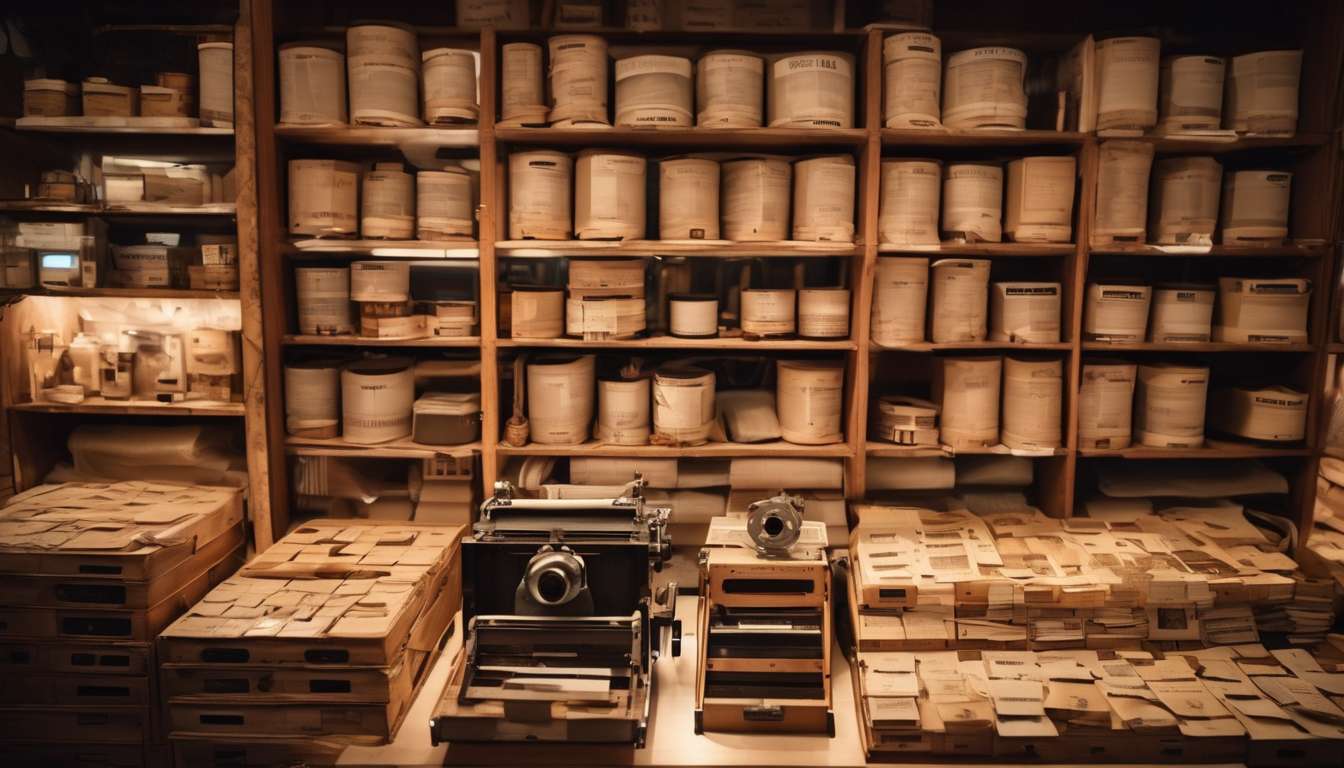
Cultural archives preserving adult industry media history
Heritage is not only buildings and manuscripts; as the poet said, "what we preserve defines who we become."
We believe cultural archives preserving adult industry media shape collective memory as much as museums preserve classical art.
We approach these collections with rigor and respect, recognizing their role in documenting technological shifts, social attitudes, and expressions of sexuality across decades.
By cataloging magazines, films, flyers, and amateur productions, we recover voices often marginalized or erased by mainstream institutions.
We confront ethical dilemmas—consent, privacy, and the potential for exploitation—while developing standards that honor creators and participants.
Our work bridges scholars, archivists, and community stakeholders to ensure responsible stewardship.
We aim to destigmatize preservation practices without sanitizing complex histories, illustrating how adult industry media offer insights into gender politics, censorship battles, and changing norms.
Through careful curation, we assert that these archives belong in the public record and inform a fuller, more honest cultural narrative.
Historical Significance
We recognize the importance of preserving adult industry media as vital historical evidence.
We view these materials as documentation of changing sexual norms, technology, and labor practices, showing shifts in representation, consent standards, and workplace organization. We treat them as community heritage rather than sensational curiosities.
We commit to archival preservation practices that respect creators, performers, and audiences.
- This includes making materials accessible for research and education.
- It also involves respecting creators’ moral and legal rights while facilitating legitimate scholarly use.
We prioritize legal compliance and privacy safeguards as integral to our workflows.
- Rights clearance and licensing are maintained to ensure lawful use.
- Age verification records and robust privacy protections are preserved to prevent harm and misuse.
Our approach rests on ethical stewardship and community consultation.
- We consult the communities depicted and acknowledge existing power dynamics.
- We balance transparency with protections for vulnerable individuals to avoid retraumatization or exploitation.
By working collaboratively, we build a trusted repository that affirms belonging for scholars, creators, and community members.
Careful, principled custody of these records helps future generations interpret the adult industry’s role in broader social histories.
Collection Practices
We prioritize targeted, documented acquisition strategies that let us build representative, rights-cleared collections while minimizing harm to creators and subjects.
We develop clear intake policies, prioritize materials from diverse creators, and document provenance so every item’s journey is traceable.
We balance active collecting with community donations, digitization of at-risk formats, and cooperative agreements with rights holders.
We use standardized metadata and secure storage to support archival preservation and ongoing access, and we train staff in handling sensitive media.
We make legal compliance a routine part of acquisition:
- Verify permissions.
- Respect takedown requests.
- Maintain records that demonstrate chain of custody and consent.
We maintain transparent access levels so contributors and researchers know how materials are used.
We practice ethical stewardship by involving community advisors in collection decisions, returning or restricting materials when requested, and building a welcoming archive culture.
That combination keeps our collections robust, lawful, and accountable while inviting participation from those the archive exists to represent.
Ethical Considerations
We commit to ongoing ethical reflection that centers consent, dignity, and wellbeing.
We recognize that archival preservation of adult industry media carries responsibilities beyond cataloging:
- We must protect privacy.
- We must respect wishes about access.
- We must avoid retraumatization.
We engage with communities to ensure our practices reflect lived experience, fostering belonging for performers, researchers, and the public.
We balance transparency with careful gatekeeping by establishing access policies that honor consent and reduce harm.
We prioritize legal compliance and diligent documentation:
- Keep current with regulations around age verification, obscenity, and rights management.
- Document provenance and permissions meticulously.
We practice ethical stewardship through clear procedures and staff training:
- Create procedures for takedown requests, redaction, and restricted access.
- Train staff in trauma-informed handling and nondiscriminatory decision-making.
We commit to regular review of policies with community input so the archive remains accountable, inclusive, and responsive to evolving norms while safeguarding the dignity of everyone represented.
Preservation Techniques
We prioritize durable, standardized methods—like format migration, redundant storage, and comprehensive metadata creation—to ensure adult industry media remain accessible, authentic, and secure over time.
We implement archival preservation practices that balance technical rigor with community care.
- Use checksums to detect and prevent data corruption.
- Maintain multiple media types and formats to mitigate obsolescence.
- Keep geographically separated backups to protect against disaster and localized failure.
We document provenance and consent records clearly, aligning our workflows with legal compliance to protect contributors and institutions.
- Record acquisition source, chain of custody, and any rights or restrictions.
- Maintain consent documentation and access conditions linked to item-level records.
We adopt controlled access tiers so sensitive items are handled with appropriate permissions while researchers can still engage responsibly.
- Define role-based access controls and tiered permission levels.
- Implement request and review workflows for restricted materials.
We train staff and volunteers in ethical stewardship, emphasizing respect for creators and subjects, and we review retention schedules to avoid unnecessary hoarding.
- Provide regular training on privacy, trauma-informed handling, and consent practices.
- Apply retention and deaccession policies to limit indefinite retention of materials without clear justification.
We collaborate with community stakeholders to set priorities, share preservation tools, and support capacity building across small repositories.
- Co-create collecting priorities with communities represented in the collections.
- Share open-source tools, documentation, and training to strengthen distributed care.
By combining technical standards, transparent policy, and shared responsibility, we ensure these cultural records endure, remain trustworthy, and reflect a community-centered commitment to care and continuity.
Cataloging Standards
We establish clear, consistent cataloging standards that use controlled vocabularies, persistent identifiers, and structured metadata to make adult industry collections discoverable, interoperable, and responsibly described.
We create schemas that balance granular descriptive detail with user-centered language so contributors, researchers, and community members feel included and respected.
We align metadata fields with archival preservation best practices, documenting provenance, format, and condition to support long-term care.
We embed persistent identifiers to ensure stable citation and linkage across platforms, and we use controlled vocabularies to reduce ambiguity while allowing community-generated terms where appropriate.
We integrate procedures for legal compliance by recording rights status, consent documentation, and access restrictions without exposing sensitive data.
We adopt clear workflows for metadata quality control, versioning, and migration to prevent loss during system changes.
We commit to ethical stewardship, engaging stakeholders in vocabulary development and access policies, so our catalogs reflect collective values and make the archive a trustworthy, welcoming resource for everyone invested in preserving this cultural history.
Legal Frameworks
We’ll outline the legal frameworks that govern collection, access, and use of adult industry materials, clarifying obligations around consent, copyright, and privacy.
We recognize that navigating statutes, case law, and institutional policies can feel isolating, so we commit to clear, inclusive guidance and to treating legal work as ethical stewardship—not mere box‑checking.
We prioritize archival preservation while ensuring legal compliance:
- Documenting provenance, licenses, and model releases.
- Securing age‑verification records when required.
- Implementing takedown procedures.
We balance access with respect for privacy and dignity, including:
- Restricting access to sensitive items.
- Anonymizing materials when appropriate.
- Obtaining ongoing consent from living contributors.
We monitor intellectual property considerations and manage permissions proactively:
- Monitor copyright terms and conduct fair use analyses.
- Negotiate permissions or place materials under agreed restrictions to protect creators and researchers.
- Record and preserve licensing terms alongside materials.
We maintain transparent policies, staff training, and periodic review cycles so everyone involved feels safe and respected.
By aligning archival preservation with legal compliance and ethical stewardship, we foster a community of trust that preserves history responsibly.
Community Collaboration
We’ll build collaboration with performers, producers, researchers, and community organizations to ensure our collections reflect lived experience, center consent, and meet community needs.
We invite contributors into decision-making, co-creating collection policies that emphasize archival preservation while respecting personal agency.
We listen, document provenance, and establish clear consent records so contributors feel seen and safe.
We balance community priorities with legal compliance.
- We consult experts to navigate copyright, privacy, and age-verification responsibilities.
- We avoid siloing knowledge by convening advisory groups, hosting listening sessions, and sharing workflows so stakeholders understand how materials are stored, described, and protected.
We practice ethical stewardship by returning rights where appropriate and enabling takedown pathways.
- We prioritize dignity in description and access controls.
- We cultivate mutual aid networks that help with digitization, metadata work, and preservation training so caring labor is recognized.
Together, we build an archive that belongs to and is accountable to the communities it preserves.
We sustain trust through transparency, shared governance, and ongoing care.
Public Access and Education
We will provide responsible public access and educational programming that balances transparency with privacy, age-safety, and contributor consent.
We center community needs by designing exhibits, workshops, and online resources that invite participation while protecting vulnerable individuals.
We prioritize archival preservation standards so materials remain accessible and interpretable for future generations, and we document provenance and access restrictions clearly.
We commit to legal compliance in every program.
- We consult counsel and follow age-verification, copyright, and consent laws to prevent harm.
- We ensure programs and materials meet applicable regulations before public release.
We practice ethical stewardship by involving contributors, performers, scholars, and community members in decisions about display, contextualization, and outreach.
We create tiered access levels so users can find entry points that match comfort and clearance.
- Open research rooms
- Mediated digital collections
- Public-facing interpretive content
We foster belonging through respectful language, trauma-informed practices, and participatory education that acknowledges histories, supports rights, and builds trust.
We ensure public access strengthens community knowledge without compromising dignity.
How do cultural archives handle donor anonymity when materials contain personal information about performers or producers?
We ask how archives manage donor anonymity when materials reveal personal data about performers or producers.
Archives balance donor privacy and research value by applying layered access controls.
- Access restrictions (e.g., closed stacks, restricted reading-room access).
- Sealed records with time-based or condition-based openings.
- Case-by-case review of researcher requests to determine appropriate controls.
Sensitive identifiers are handled by redaction and controlled disclosure.
- Redacting names, contact information, or other personal identifiers from copies or finding aids.
- Providing restricted descriptive metadata that documents provenance without exposing individuals.
- Using controlled vocabularies or neutral language to describe sensitive content.
Informed consent and provenance documentation are obtained and managed when possible.
- Seeking informed consent from donors or documented subjects where practicable.
- Recording provenance and donor restrictions in acquisition documentation while minimizing public exposure of personal details.
Ethics, legal requirements, and community input guide decisions.
- Consulting institutional ethics policies, privacy laws, and professional standards.
- Engaging community stakeholders (performers, producers, cultural groups) for guidance on culturally sensitive materials.
Safety and adaptability are prioritized.
- Prioritizing safety of individuals and communities when deciding access.
- Periodically reviewing and adapting access controls as legal contexts, technology, and community expectations evolve.
What are the typical costs or funding sources for starting and maintaining an archive focused on adult industry media?
How do archives balance preserving explicit or erotic content with the potential for sensationalism or commercialization by third parties?
We address how archives keep evocative materials safe without feeding sensationalism.
We set clear collection policies, access restrictions, and ethical use agreements, and we vet donors and partners.
We emphasize context, scholarship, and consent, and we offer curated displays that educate rather than titillate.
We pursue funding that respects our mission, monitor downstream uses, and enforce takedowns or legal action when commercialization violates agreed terms or harms communities we serve.
Conclusion
You’ve seen how cultural archives preserving adult industry media safeguard a vital, often overlooked part of social history.
By collecting responsibly, applying ethical standards, and using robust preservation and cataloging techniques, you help ensure these materials remain available for study.
Navigating legal frameworks and collaborating with communities lets you balance access with care.
Your work supports public education, challenges stigma, and keeps nuanced records that future researchers and the public will rely on.
